
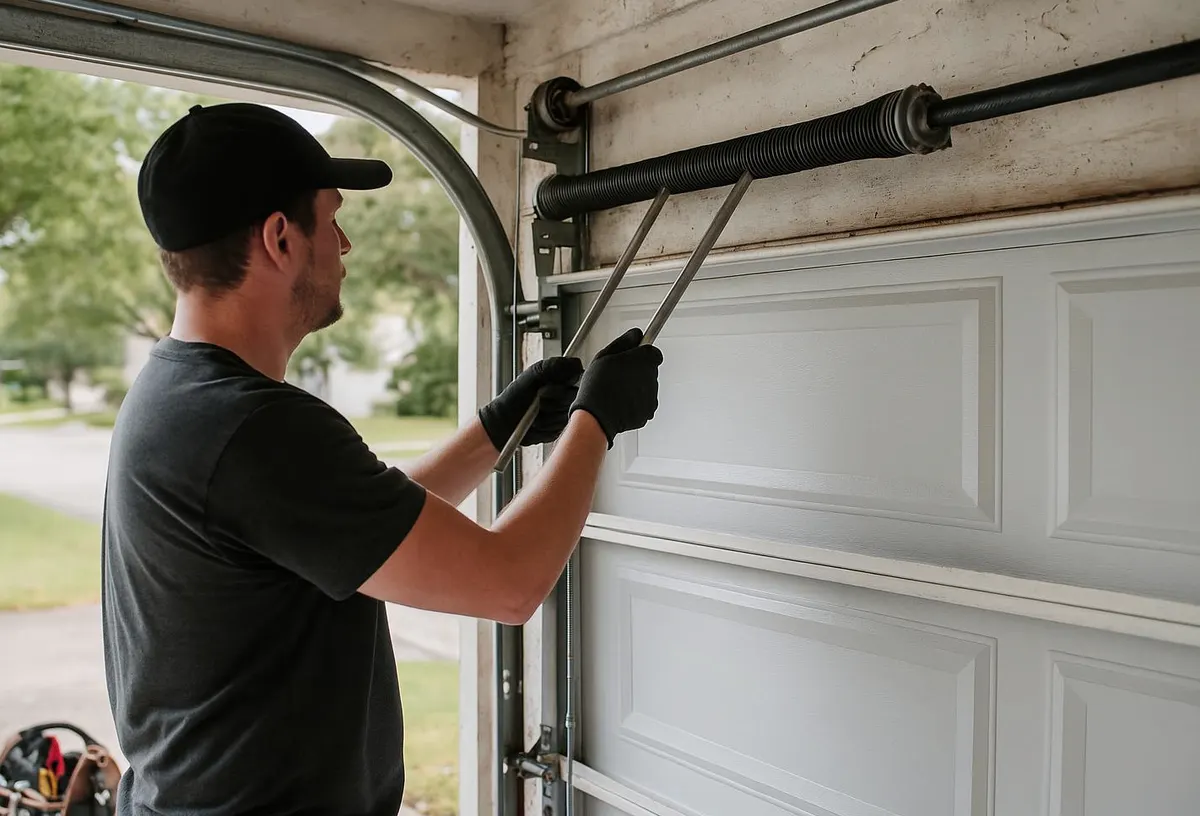
You pull into the driveway after work, hit the opener, and the door groans louder than usual before it rolls up. Or maybe it's the opposite — you're heading out early and the door hesitates, jerks, then finally moves. Nothing's broken yet, but something's off. That's usually the first sign that the door is feeling the shift in weather, and it's worth paying attention to before a small hesitation turns into a stuck door or a snapped spring.
Why This Time of Year Is Different for Your Garage Door
Hurricane season officially winds down at the end of November, and that transition matters more than people think. Months of heavy humidity, afternoon downpours, and wind-load stress leave hardware a little worse for wear even if the door looks fine from the driveway. Add in the first real cold mornings, and metal components that were swollen or coated in moisture start to contract and stiffen. That combination — lingering humidity plus the season's first cold snaps — is exactly when small issues surface.
Homes near the coast deal with salt air on top of that, which speeds up corrosion on tracks, hinges, and spring coils. Even if you're further inland, the moisture swings alone are enough to cause rust spots and sticky rollers.
Check Your Hardware for Rust and Looseness
Walk your garage door track from top to bottom and look closely at the brackets, hinges, and roller housings. A season of humidity can leave faint rust blooms on bolts and hinges, especially anywhere water tends to pool or drip. While you're at it:
- Tighten any bolts on the track brackets — vibration from months of regular use loosens them gradually.
- Check hinges for rust streaks or stiffness when you move them by hand.
- Look at the bottom corner brackets, which take the most moisture exposure.
If a bolt is rusted through or a hinge won't move freely even after cleaning, that's a sign of wear that lubrication won't fix on its own.
Lubricate the Moving Parts — But Use the Right Product
After a humid season, moving parts often have a thin film of grime mixed with moisture, which attracts dust and grit. A light cleaning with a dry cloth followed by a silicone-based garage door lubricant on the rollers, hinges, and springs will help the door move smoothly as temperatures start to dip. Avoid WD-40 or heavy grease as a long-term fix — they attract dirt and can gum up in cooler weather, which only adds to the stiffness you're trying to avoid.
Inspect the Springs Before They're Under More Strain
Garage door springs work hardest during temperature swings. Cold metal is less flexible, and a spring that was already fatigued from a humid, high-use summer can reach its breaking point once mornings turn cooler. Watch for these warning signs:
- The door feels noticeably heavier when lifted manually.
- You hear a loud bang from the garage — that's often a spring letting go.
- The door opens unevenly, dropping on one side.
Springs are under high tension and not something to adjust yourself. If you notice any of these symptoms, it's worth having them checked before the cold fully sets in, since a spring failure almost always happens at the least convenient moment.
Give the Opener and Backup Battery Some Attention
If your opener has a battery backup — common in areas that see storm-related outages — now is a good time to test it. Batteries lose capacity in humidity and heat, and a weak one may not carry you through the next power blip. Run a manual test by unplugging the opener and confirming the backup engages. While you're there, listen for grinding or straining sounds from the motor, which often mean the chain or belt needs adjustment after a season of heavy use.
Look Over Panels and Tracks for Storm Wear
Even without a direct hit, wind-driven rain and gusty afternoon storms put real stress on garage doors throughout the season. Check panels for small dents or warping, and run your hand along the track to feel for any bends or misalignment. A door that's slightly off track may still open and close, but it will wear unevenly and strain the opener until it's corrected.
Do a Simple Balance Test
With the opener disconnected, lift the door halfway by hand and let go. A well-balanced door should stay in place. If it drifts up or falls, the spring tension needs adjusting — not something to force, but a clear sign the system needs a professional look before you rely on it through the cooler months.
When to Call Madison Garage Door Repair
If your balance test fails, you hear a bang from a spring, or the opener struggles more than it should, it's time to call in a professional rather than keep pushing a stressed system. We handle Garage Door Spring Repair for doors that have been worn down by a long humid season, and we offer full Garage Door Tune-Up & Maintenance visits that cover hardware tightening, lubrication, track alignment, and opener checks in one trip — exactly the kind of once-a-season service that catches problems before they turn into an early morning emergency.
If your garage door has been groaning, sticking, or just feels off as the weather turns, give Madison Garage Door Repair a call. We serve homes and businesses throughout Madison, FL and the surrounding areas, and we're happy to get your door ready for whatever the season brings.